
Field Notes · Preparation
Raw juice: freshness, fiber, and preparation
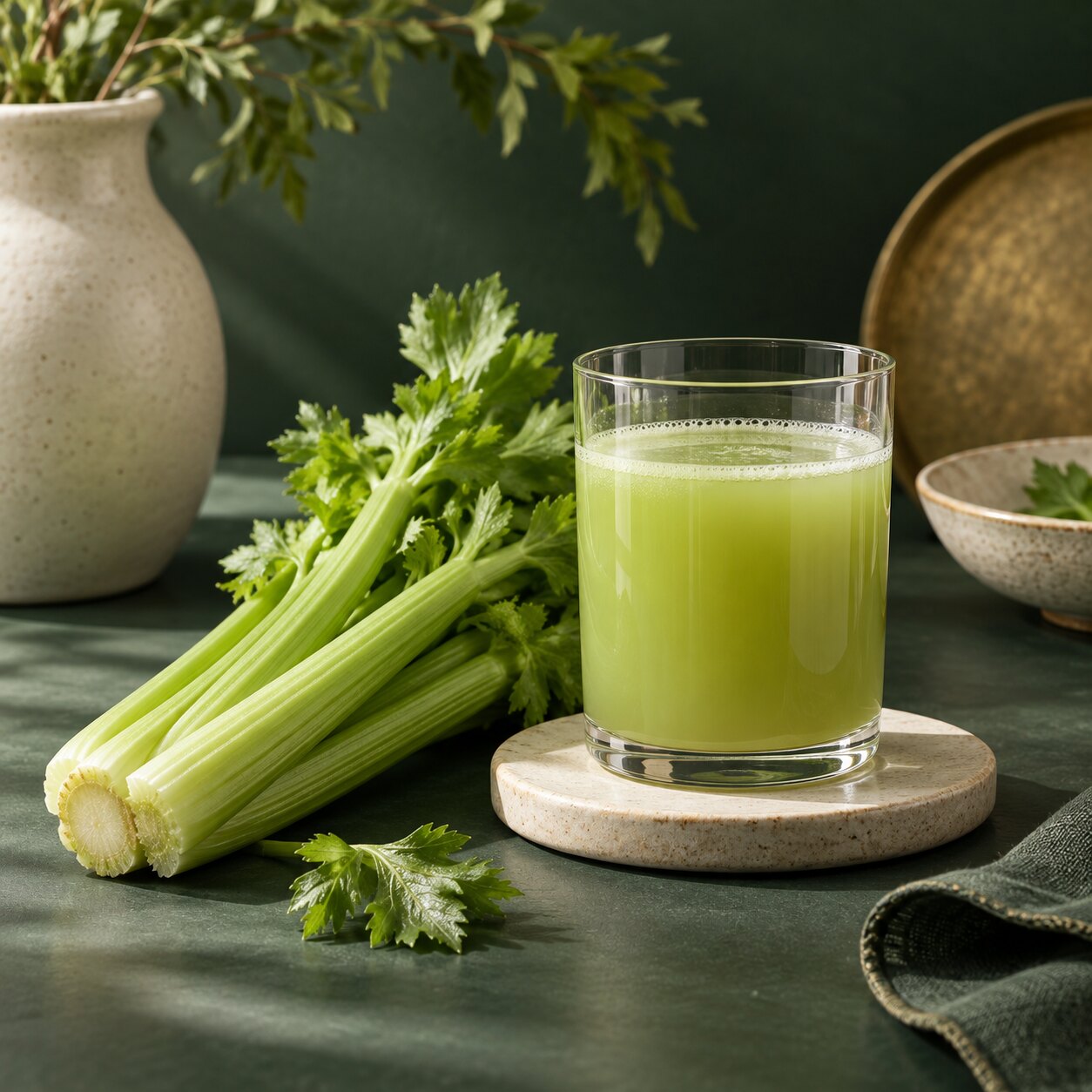
Walker’s central practical question is simple: what changes when a vegetable or fruit is pressed into juice? His answer is a historical argument about speed, texture, and the relationship between liquid and fiber. The useful takeaway for today is to understand the tradeoff rather than treating juice as a replacement for whole produce.
Juice is not the whole plant
The book repeatedly distinguishes extracted liquid from the fiber left behind. That distinction is important: a glass can be quick to drink, while whole vegetables and fruits still contribute texture and roughage. A balanced food pattern can make room for both, depending on the person and the meal.
Freshness is a handling practice
- Choose produce that is fresh, clean, and suitable for raw use.
- Wash and inspect the juicer, cutting board, and storage vessel before starting.
- Serve promptly or refrigerate safely; do not leave fresh juice warm for long periods.
- Use smaller portions when trying a strong or unfamiliar ingredient.
A practical Organa Micro lens
Our Factualz pages treat each juice as an ingredient profile: flavor, color, source history, pairing, and care. They do not prescribe a cleanse, a dose, or a treatment plan. If you have a medical condition, take medication, or are changing your diet substantially, get individualized advice from a qualified professional.
Source note. Paraphrased from the supplied 1978 revised edition of N. W. Walker’s Fresh Vegetable and Fruit Juices: What’s Missing in Your Body?, including the introductory preparation sections. Historical source, not medical advice.
